Workflow mapping
Identify triggers, decisions, exceptions and the points where human approval belongs.
Faster, connected operations
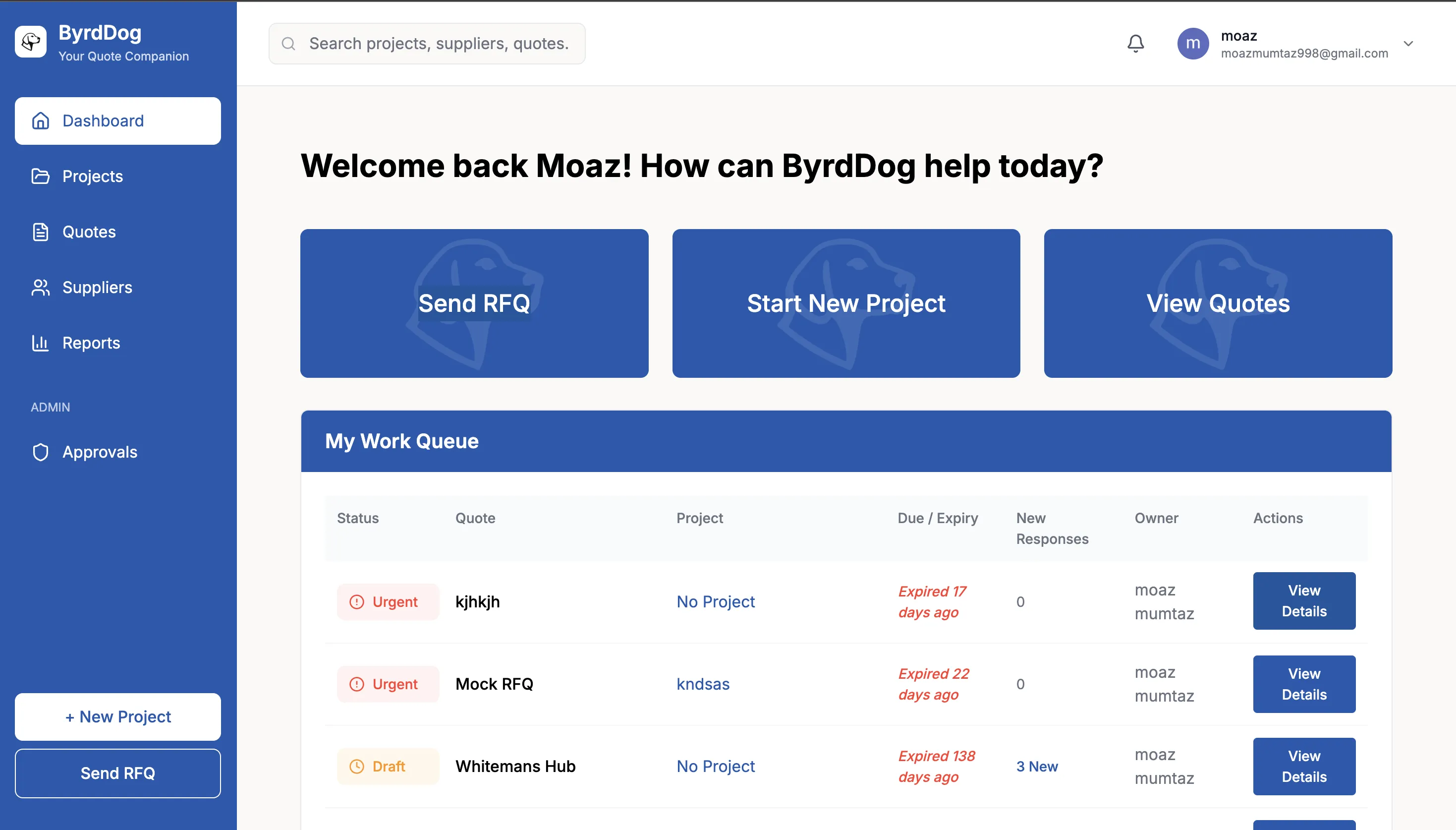
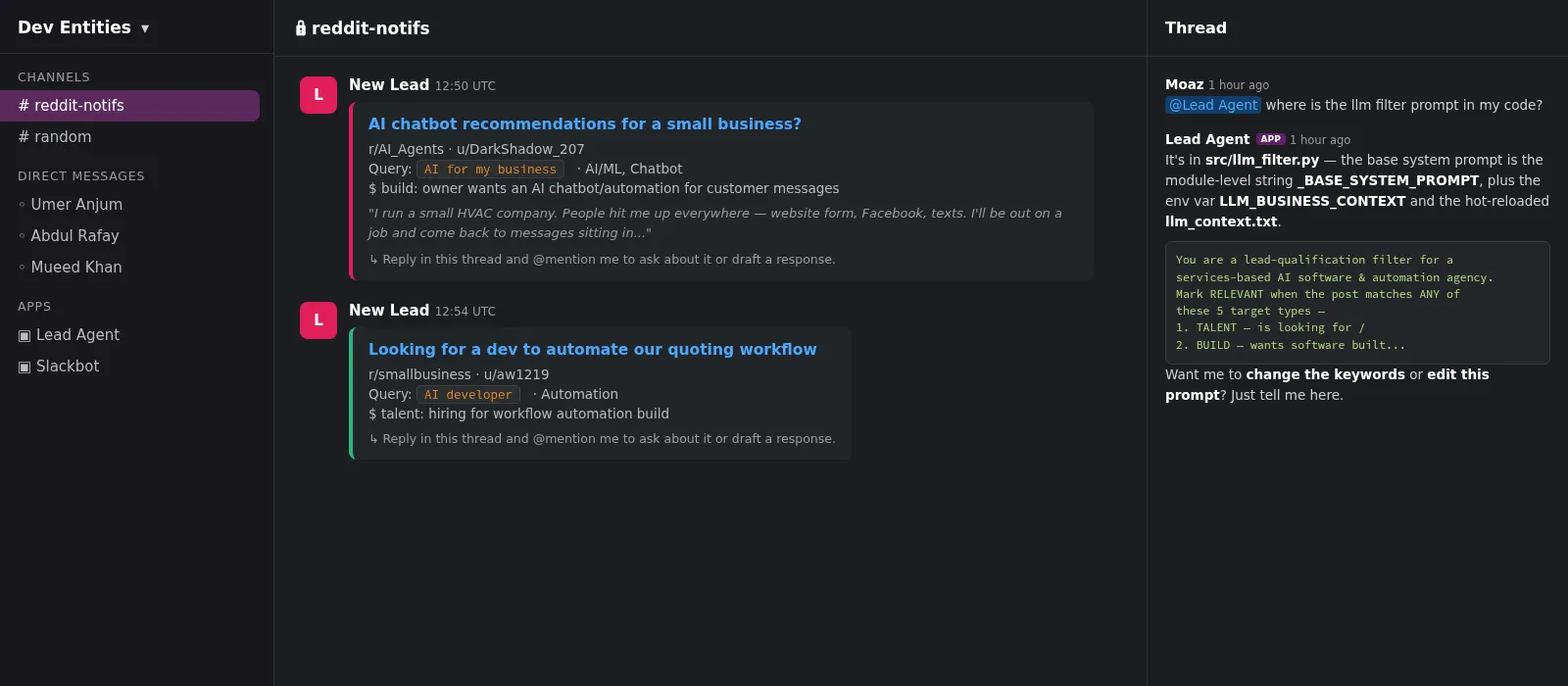
Replace repetitive handoffs, copy-paste work and manual follow-up with an automation that fits the way your business operates. I combine deterministic workflow logic with AI only where interpretation or generation adds real value.
Business problems addressed
Capabilities
Identify triggers, decisions, exceptions and the points where human approval belongs.
Connect CRMs, email, Slack, databases and internal or third-party APIs.
Classify, extract, summarize or draft where flexible interpretation is useful.
Use queues, retries, validation and idempotent operations to protect business processes.
Route exceptions and high-impact decisions to people with the necessary context.
Track throughput, failure points, completion time and operational usage after launch.
Delivery approach
The result is a maintainable operating workflow—not a fragile collection of prompts—with clear ownership, observable failures and sensible human control.
Frequently asked questions
Common candidates include request triage, lead qualification, document processing, email follow-up, knowledge lookup, reporting and structured data extraction.
Usually not. The automation can connect the tools your team already uses, provided suitable APIs or integration options are available.
People should review exceptions, sensitive decisions, low-confidence outputs and any action where the business risk calls for explicit approval.
Workflows use validation, retries, logs, monitoring and deterministic rules around the AI steps so failures are visible and recoverable.